

Neocolonialism, defined as the practice of using economic, political, and cultural power to influence the policies of other countries, is still a significant issue in Africa. Despite gaining independence from European colonial powers, African countries continue to face exploitation from Western countries and multinational corporations.
The youth in Africa have been at the forefront of responding to neocolonialism. With over 60% of Africa’s population under the age of 25, young people have a crucial role to play in shaping the continent’s future. Here are some ways in which they are responding to neocolonialism in Africa:
Advocating for Economic Independence: The youth in Africa are advocating for economic independence by demanding fair trade and investment policies. Many African countries have been forced to adopt structural adjustment programs by the International Monetary Fund and the World Bank, which have resulted in austerity measures and a reduction in government spending on social programs. The youth are calling for an end to these programs and for African countries to develop their economies independently.

Promoting African Culture: The youth in Africa are also promoting African culture by celebrating and embracing their cultural heritage. This is in response to the neocolonial practice of promoting Western culture as superior to African culture. Through music, fashion, and art, the youth are reclaiming their identities and challenging the dominant narrative of Western cultural superiority.
Fighting for Political Rights: The youth in Africa are also fighting for political rights and democratic governance. Many African countries are ruled by authoritarian regimes that are supported by Western powers. The youth are demanding free and fair elections, an end to corruption, and the protection of human rights. They are also using social media to organize and mobilize for political change.
Addressing Climate Change: The youth in Africa are also addressing climate change, which is a global issue that affects the continent disproportionately. African countries are among the most vulnerable to the effects of climate change, such as droughts and floods. The youth are demanding that Western countries take responsibility for their role in causing climate change and provide funding and technology to help African countries mitigate its effects.
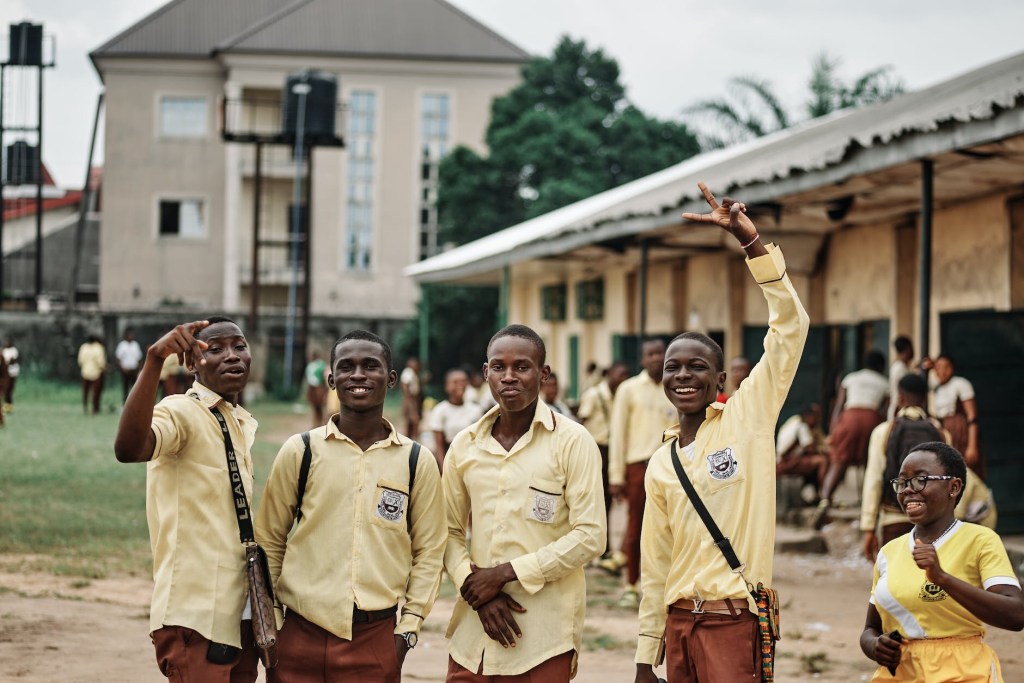
Creating Alternative Narratives: Lastly, the youth in Africa are creating alternative narratives that challenge the neocolonial narrative of African inferiority. They are using social media and other platforms to tell their own stories and showcase the positive aspects of African culture, history, and achievements.
In conclusion, the youth in Africa are responding to neocolonialism in various ways, from advocating for economic independence to promoting African culture and fighting for political rights. These efforts are critical to shaping Africa’s future and building a continent that is free from neocolonialism and exploitation.
Takunda Antipas

 PAR POLITICS